
How Natural Materials Changed the Feel of Everyday Footwear
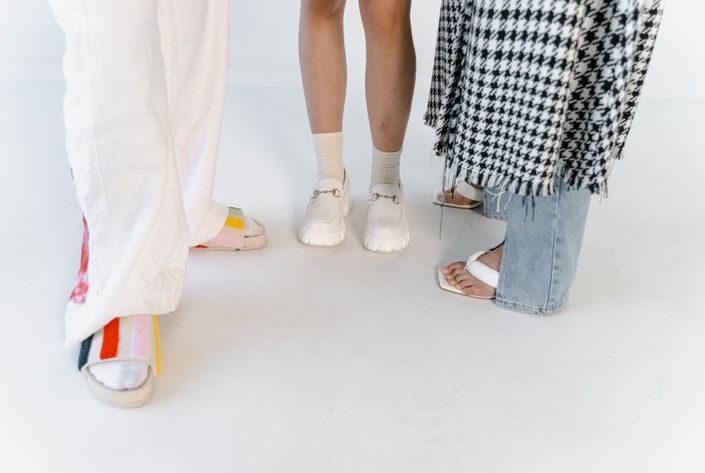
The materials used to make footwear can influence much more than its appearance, shaping how shoes feel, move, and respond during everyday wear. Leather, canvas, hemp, cork, and other natural materials each have distinct textures, levels of flexibility, and ways of adapting to movement over time. The growing interest in wide toe box shoes also reflects a broader shift toward the relationship between the foot and the shoe. Natural materials can contribute to this experience by offering different levels of softness, structure, and breathability compared with synthetic alternatives. Exploring these material differences helps explain how changes in footwear design have influenced the feel of everyday shoes and the ways people experience them.
Why Natural Fibers Can Feel Different
Natural plant and animal fibers have structures that influence how they handle moisture, air, pressure, and movement. Hemp, for example, has traditionally been valued for its durable fibers and distinctive texture, while cotton is known for its softness and familiarity in clothing and textile products. When these materials are incorporated into footwear, they can create surfaces with different tactile qualities from highly processed synthetic fabrics. The differences may be subtle, but repeated contact can make texture, flexibility, and airflow important parts of how everyday shoes are perceived.
How Breathability Affects Everyday Comfort
A footwear material’s ability to let air and moisture move through its structure can influence the internal environment around the foot. Natural materials can have porous or fibrous structures that interact with air and moisture differently from dense synthetic materials. However, breathability depends on the shoe’s overall construction, not a single material. Linings, coatings, insoles, stitching, and outer layers can all affect airflow. This means the sensation associated with a natural material results from how it functions within the entire footwear design.

How Materials Respond to Movement
Walking repeatedly bends and compresses different parts of a shoe. Natural materials can respond to these movements in distinctive ways because their fibers and structures may flex, soften, or develop visible changes through use. Leather, for instance, can gradually conform to repeated movement, while woven plant fibers may maintain a more structured texture. Cork can also respond differently when used in supportive components. These changes shape how footwear feels over time, making material behavior an important part of the relationship between a shoe and its wearer.
Why Aging Can Become Part of the Experience
Natural materials can change visibly and physically as they are exposed to movement, moisture, friction, and everyday environmental conditions. Instead of remaining completely uniform, some materials develop variations in texture, flexibility, or appearance as they age. These changes can alter the character of footwear and affect how familiar it feels to the wearer. The experience of a well-used natural material is therefore not necessarily the same as its original condition. Its changing physical properties can become part of how the footwear is experienced throughout its useful life.
Natural materials change the feel of everyday footwear by introducing different combinations of texture, flexibility, breathability, and movement response. Materials such as hemp, cotton, leather, wool, and cork interact with the foot and surrounding environment in ways that can differ from synthetic constructions. Their behavior can also change through repeated use, allowing footwear to develop a distinct physical character over time. The resulting experience depends on the shoe’s overall construction, but material choice remains an important factor in how footwear feels during everyday movement and extended wear.
…

 Make sure you know your shoe size. It may seem like a no-brainer, but it’s crucial to ensure you have the correct size before you start
 Heel height can be a tricky thing to judge online. Often, the heel height is not listed on the shoe’s page, so you’ll have to do a little detective work. One way to get an idea of how high the heel is is to look at the pictures of the shoes. If you see someone wearing the shoes in the picture, pay attention to how high their heels look in relation to the rest of their body. Another way to tell is to look at the dimensions of the shoe. The heel height is usually listed in inches.
 Price is always a consideration when shopping for anything, especially shoes. It’s crucial to find the right balance between quality and price. You don’t want to spend too much on shoes that you’re only going to wear a few times a year, but you also don’t want to buy cheap shoes that will fall apart after just one use. Do your research and find shoes that are a good value for the price.